

All 145 questions from the CSIR-NET Life Sciences paper of 17 February 2022 (June 2021 cycle, Shift 2), typed out in full, with NTA’s final answer key, a worked solution for every question and every diagram.
The Joint CSIR-UGC NET June 2021 cycle held its Life Sciences exam on 17 February 2022 in two shifts. This page covers the second shift. Below you will find every question from Part A (General Aptitude), Part B and Part C, in the order they appeared, each tagged with its syllabus unit. Tap Show answer and solution under any question to check the official answer and see how to reach it.
Marking scheme
| Part | Questions | Answer | Marks each | Wrong answer | Max marks |
|---|---|---|---|---|---|
| A: General Aptitude | Q1–20 | 15 | 2 | −0.5 | 30 |
| B: Life Sciences | Q21–70 | 35 | 2 | −0.5 | 70 |
| C: Life Sciences | Q71–145 | 25 | 4 | −1 | 100 |
| Total | 145 | 75 | 200 |
Which units this paper tested
We tagged each of the 125 Part B and Part C questions with its CSIR-NET syllabus unit. In this paper, Evolution and Behavior, Molecules and their Interaction Relevant to Biology and System Physiology – Plant carried the most questions.
Practise any unit across all 11 papers, with every question linked to a worked solution:
Jump to a question
Part A: General Aptitude (Q1–20)
20 questions; answer any 15. Each carries 2 marks, and a wrong answer costs 0.5.
A 3 m long car goes past a 4 m long truck at rest on the road. The speed of the car is 7 m/s. The time taken to go past is
- 14/7 s
- 21 s
- 37/4 s
- 410/7 s
Show answer and solution
To pass the truck completely, the car covers its own length plus the truck’s: 3 + 4 = 7 m. At 7 m/s that takes 1 s.
Three strips of 10 m width each are placed along the equator (A1), the Tropic of Cancer (A2), and the Arctic Circle (A3), respectively. The relationship amongst the areas of the strips is
- 1A1 < A2 < A3
- 2A1 = A2 > A3
- 3A1 > A2 = A3
- 4A1 > A2 > A3
Show answer and solution
A strip along a latitude circle has length 2πR cos(latitude). cos 0° > cos 23.5° > cos 66.5°, so A1 > A2 > A3.
Which of the following values is same as 2222?
- 126
- 228
- 3216
- 42222
Show answer and solution
Power towers are evaluated from the top: 22 = 4, then 24 = 16, so the value is 216.
A man starts his journey at 0100 hrs local time to reach another country at 0900 hrs local time on the same date. He starts a return journey on the same night at 2100 hrs local time, taking the same time to travel back to his original place. If the time zone of his country of visit lags by 10 hours, the duration for which the man was away from his place is
- 148 hours
- 220 hours
- 325 hours
- 436 hours
Show answer and solution
He left at 01:00 home time and arrived at 09:00 local, which is 19:00 home time, so each trip takes 18 h. The return left at 21:00 local (07:00 home time the next day) and arrived 18 h later at 01:00 home time a day after that. He was away 48 hours.
The probability that a ticketless traveller is caught during a trip is 0.1. If the traveller makes 4 trips, the probability that he/she will be caught during at least one of the trips is:
- 11-(0.9)4
- 2(1-0.9)4
- 31-(1-0.9)4
- 4(0.9)4
Show answer and solution
P(never caught in 4 trips) = 0.94, so P(caught at least once) = 1 − (0.9)4.
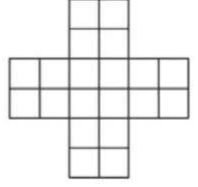
The number of squares in the above figure is
- 130
- 229
- 325
- 420
Show answer and solution
The cross has 4 + 12 + 4 = 20 unit squares. There are also 9 squares of size 2 × 2 (two in each vertical arm, five across the middle band). No 3 × 3 fits. Total 29.
If A says, “exactly one among B and C is a liar” and B says, “both A and C are liars”, then
- 1A is a liar and B is truthful
- 2B is a liar and C is truthful
- 3A is truthful and C is a liar
- 4A is a liar and C is truthful
Show answer and solution
Suppose A tells the truth. Then B’s claim that A lies is false, so B lies, and exactly one of B and C lies, so C is truthful. This is consistent. If A lied, both of B’s possible states lead to a contradiction. So B lies and C is truthful.
It takes 2 hours for Tanu and Deo to do a job. Tanu and Hari take 3 hours to do the same job. Deo and Hari take 6 hours to do the same job. Which of the following statements is incorrect?
- 1Tanu alone can do the job in 3 hours
- 2Deo alone can do the job in 6 hours
- 3Hari does not work at all
- 4Hari is the fastest worker
Show answer and solution
T + D = 1/2, T + H = 1/3 and D + H = 1/6. Adding gives 2(T + D + H) = 1, so T + D + H = 1/2. Then H = 0, T = 1/3 and D = 1/6. Hari does nothing, so “Hari is fastest” is incorrect.
A person paid income tax at the rate of R% for the first Rs 2 lakhs, and at the rate of (R + 10)% for income beyond Rs 2 lakhs. If the total tax paid is (R + 5)% of the annual income, then what is the annual income?
- 1Rs 2.5 lakhs
- 2Rs 3.0 lakhs
- 3Rs 4.0 lakhs
- 4Rs 5.0 lakhs
Show answer and solution
With income I (in lakh): 2R + (R + 10)(I − 2) = (R + 5)I. This simplifies to 5I = 20, so I = Rs 4 lakh.
Brothers Santa and Chris walk to school from their house. The former takes 40 minutes while the latter, 30 minutes. One day Santa started 5 minutes earlier than Chris. In how many minutes would Chris overtake Santa?
- 15
- 215
- 320
- 425
Show answer and solution
Santa’s 5-minute lead is d/8. Chris gains at d/30 − d/40 = d/120 per minute. Time = (d/8)/(d/120) = 15 min.
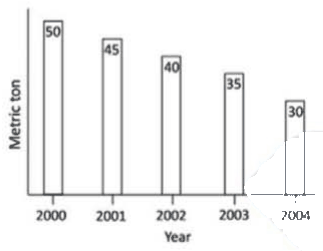
Wheat production of a country over a number of years is shown in the graph. Which year recorded the highest percent reduction in production over the previous year?
- 12001
- 22002
- 32003
- 42004
Show answer and solution
Each drop is 5 t, so the percentage drop grows as the base shrinks: 10%, 11.1%, 12.5%, then 14.3% in 2004 (35 → 30).
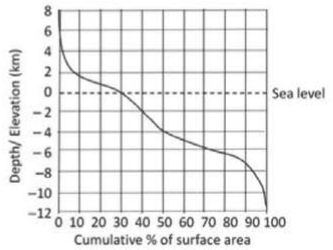
Based on the distribution of the cumulative percent surface area of the Earth at different elevations and depths (with reference to sea-level) shown in the figure, which of the following is FALSE?
- 1Larger proportion of the surface of the Earth is below sea-level
- 2Of the surface area above sea-level, larger proportion lies below 2 km elevation
- 3Of the surface area below sea-level, smaller proportion lies below 4 km depth
- 4Distance from sea-level to maximum depth is greater than that to the maximum elevation
Show answer and solution
About 30% of Earth’s surface is above sea level and about 70% below. Depths beyond 4 km cover roughly 45–100% on the axis, about 55% of the total and so most of the sea floor. Statement 3 (a “smaller proportion” lies below 4 km) is therefore false.
OA, OB and OC are radii of the quarter circle shown in the figure. AB is also equal to the radius.
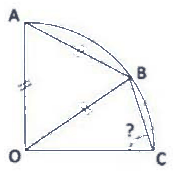
What is angle OCB?
- 160°
- 275°
- 355°
- 465°
Show answer and solution
OA = OB = AB, so triangle OAB is equilateral and ∠AOB = 60°, leaving ∠BOC = 30°. Triangle OBC is isosceles (OB = OC), so ∠OCB = (180° − 30°)/2 = 75°.
If P + 1/Q = 1 and Q + 1/R = 1, then what is PQR?
- 1−1
- 22
- 3−2
- 4cannot be calculated
Show answer and solution
P = (Q − 1)/Q and R = 1/(1 − Q). So PQR = (Q − 1)/Q × Q × 1/(1 − Q) = −1.
If the product of three consecutive positive integers is equal to their sum, then what would be the sum of their squares?
- 19
- 214
- 316
- 424
Show answer and solution
1 × 2 × 3 = 6 = 1 + 2 + 3. The sum of squares is 1 + 4 + 9 = 14.
A board has 8 rows and 8 columns. A move is defined as two steps along a column followed by one step along a row or vice-versa. What is the minimum number of moves needed to go from one corner to the diagonally opposite corner?
- 15
- 26
- 37
- 49
Show answer and solution
This is a knight’s move. Corner to opposite corner on an 8 × 8 board needs 7 steps in each direction. Each move covers at most 3 squares in total, so at least 14/3, which rounds up to 5 moves, but parity rules out 5. The minimum is 6.
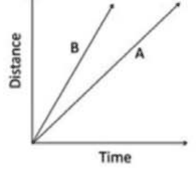
Time-distance graph of two objects A and B are shown.
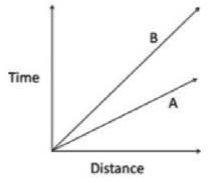
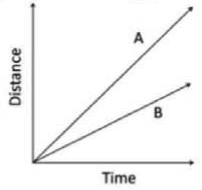
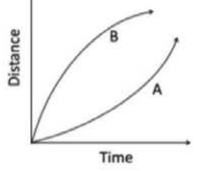
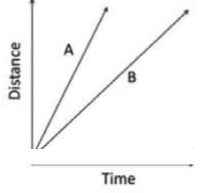
If the axes are interchanged, then the same information is shown by
- 1

- 2

- 3

- 4

Show answer and solution
Swapping the axes turns each slope into its reciprocal. A, the shallower line in time against distance (faster), becomes the steeper line in distance against time, and B the shallower one, with both still straight lines through the origin. Option 3 has the reciprocal slopes.
A plate of 5m × 2m size with uniform thickness, weighing 20 kg, is perforated with 1000 holes of 5cm × 2cm size. What is the weight of the plate (in kg) after perforation?
- 110
- 22
- 319.8
- 418
Show answer and solution
The holes total 1000 × 0.05 × 0.02 = 1 m2 out of 10 m2. Removing 10% of the plate leaves 20 × 0.9 = 18 kg.
Two runners A and B start running from diametrically opposite points on a circular track in the same direction. If A runs at a constant speed of 8 km/h and B at a constant speed of 6 km/h and A catches up with B in 30 minutes, what is the length of the track?
- 11 km
- 24 km
- 33 km
- 42 km
Show answer and solution
A gains on B at 2 km/h and closes the half-lap gap in 0.5 h, so the gap is 1 km. A half-lap of 1 km means the track is 2 km.
There are two gas parcels of equal volume, A and B at the same temperature and pressure. Parcel A is one mole of water vapour, while parcel B is one mole of dry air. Which of the following is TRUE?
- 1Parcel A is heavier then Parcel B
- 2Parcel B is heavier then Parcel A
- 3Both parcels are equally heavy
- 4Without temperature and pressure data, their relative masses cannot be determined
Show answer and solution
Equal volumes at the same T and P hold equal moles (Avogadro). Water is 18 g/mol and dry air about 29 g/mol, so parcel B (dry air) is heavier. This is why moist air rises.
Part B: Life Sciences (Q21–70)
50 questions; answer any 35. Each carries 2 marks, and a wrong answer costs 0.5.
Phosphofructokinase catalyses one of the regulatory steps in glycolysis. Which one of the following metabolic changes leads to the activation of phosphofructokinase?
- 1Increased ATP concentration
- 2Decreased AMP concentration
- 3High citrate levels
- 4Increased fructose 2, 6 bisphosphate concentration
Show answer and solution
Fructose 2,6-bisphosphate is PFK-1’s strongest activator, and AMP also activates it. ATP and citrate inhibit it.
What is the net charge of the peptide Tyr-Val-Arg at pH 5.0? The pKas of alpha amino and carboxyl groups are 9.6 and 2.3, respectively. The pKas of Tyr and Arg side chains are 10.46 and 12.48, respectively.
- 11.0
- 25
- 32.5
- 411
Show answer and solution
At pH 5: the α-NH3+ gives +1, the α-COO− gives −1, Arg gives +1 and Tyr gives 0. Net = +1.
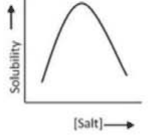
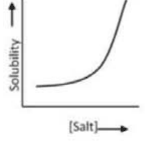
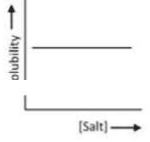
Protein X is an all helical protein with 100 amino acids including 2 cysteines and a pI of 7.0. Which one of the following graphs best describes the solubility of this protein under different ammonium sulphate (salt) concentrations?
- 1

- 2

- 3

- 4


Show answer and solution
Low salt shields charges and raises solubility (salting in). High salt takes water away from the protein and it precipitates (salting out). The curve rises and then falls.
A.
5′- AGTAGTATCAACTATCATGA-3′
3′- TCATCATAGTTGATAGTACT-5′
B.
5′- GACGTGCCAGGTGCGAGGTC-3′
3′- CTGCACGGTCCACGCTCCAG-5′
C.
5′- TACGATGCACATGCTTGGAC-3′
3′- ATGCTACGTGTACGAACCTG-5′
D.
5′- GAACGCTACGTTGCGATCCG-3′
3′- CTTGCGATGCAACGCTAGGC-5′
Arrange the DNA fragments (A to D) in the order of decreasing melting temperature.
- 1B>D>C>A
- 2C>A>B>D
- 3D>C>A>B
- 4A>B>C>D
Show answer and solution
Tm rises with GC content. G/C pairs per 20 bp: B has 14, D 12, C 10 and A 6. Order: B > D > C > A.
Which one of the following statements about Short Interspersed Nuclear Elements (SINEs) is TRUE?
- 1SINEs represent a class of retrotransposons.
- 2SINEs can transpose independently
- 3SINEs can mobilize the neighboring LINE repeats.
- 4SINEs are normally transcribed by RNA polymerase I.
Show answer and solution
SINEs such as Alu are non-autonomous retrotransposons. They are transcribed by Pol III and rely on LINE-encoded enzymes to move.
Membrane-enclosed organelles often have a characteristic position in the cytosol. In animal cells, for example, the Golgi apparatus is located close to the nucleus. Which component is directly involved in ensuring correct Golgi localization in animal cells?
- 1Actin cytoskeleton
- 2Microtubules
- 3Nucleolus
- 4Peroxisomes
Show answer and solution
The Golgi gathers near the centrosome because dynein carries Golgi membranes toward microtubule minus ends.
Signal sequences direct proteins to the correct intracellular locations. Which one of the following sequences is typically used to import proteins into the nucleus?
- 1-Pro-Pro-Lys-Lys-Arg-Lys-Val-
- 2-Leu-Ala-Leu-Lys-Leu-Ala-Gly-Leu-Asp-Ile-
- 3-Ser-Lys-Leu-COO−
- 4-Lys-Asp-Glu-Leu-COO−
Show answer and solution
-Pro-Pro-Lys-Lys-Arg-Lys-Val- is the classic SV40 T-antigen NLS. The others are an ER signal sequence, the peroxisomal SKL and the ER-retention KDEL.
Which one of the following statements about stem cells is correct?
- 1Stem cells cannot be maintained in culture since they require a distinct in vivo microenvironment known as niches.
- 2During asymmetric stem cell division, only one of the daughter cells is retained as a stem cell.
- 3Stem cell derived transit-amplifying cells are differentiated cells which retain the capacity to divide further.
- 4Hematopoietic stem cells (HSCs) are totipotent stems cells.
Show answer and solution
In asymmetric division one daughter stays a stem cell and the other differentiates. Stem cells can be cultured, transit-amplifying cells are not fully differentiated, and HSCs are multipotent, not totipotent.
Heating of some nucleic acids shows an increase in the absorbance at 260 nm (A260) typified by the plot shown above. The sharp transition midpoint is defined as melting temperature (Tm). Which one of the following nucleic acid samples is NOT expected to generate such a typical profile upon heating of its solution?
- 1Double stranded DNA
- 2Double stranded RNA
- 3DNA:RNA hybrid
- 4Single stranded DNA having imperfect secondary structures
Show answer and solution
NTA dropped this question. The referenced plot was missing from the paper. The intended point is that single-stranded DNA with only partial secondary structure gives a broad, weak absorbance rise rather than a sharp melting transition.
A mutation in which one of the following sigma factors may be a possible cause for E. coli failing to adapt in response to thermal stress?
- 1σ70
- 2σ32
- 3σ54
- 4σ45
Show answer and solution
σ32 (RpoH) directs transcription of heat-shock genes (chaperones and proteases). Without it, E. coli cannot cope with heat stress.
Which one of the following statements about Cre-mediated site-specific recombination at loxP sites is INCORRECT?
- 1When loxP sites flanking a test sequence are oriented in same direction, Cre mediates the excision of the intervening sequence
- 2LoxP sites in inverted orientation around an intervening sequence lead to inversion upon action by Cre recombinase
- 3LoxP sites recognized by the Cre recombinase are palindromic around a spacer sequence
- 4LoxP-Cre system cannot be used to generate translocation between chromosomes.
Show answer and solution
Cre/loxP can produce reciprocal translocations when loxP sites sit on different chromosomes, so statement 4 is incorrect. Direct repeats excise, inverted repeats invert, and loxP is two 13-bp inverted repeats around an 8-bp spacer.
Given below are a set of enzymes in Column A and enzyme activities in Column B.
| Column A | Column B | ||
|---|---|---|---|
| (A) | DNA topoisomerase I | (i) | synthesis of Okazaki fragments |
| (B) | DNA topoisomerase II | (ii) | leading strand synthesis |
| (C) | Polymerase ε | (iii) | double strand break and ligation |
| (D) | Polymerase δ | (iv) | single strand nicking |
Choose the option that matches the contents of column A with that of column B
- 1A: iv; B: iii; C: ii; D: i
- 2A: iii; B: iv; C: ii; D: i
- 3A: iv; B: iii; C: i; D: ii
- 4A: iii; B: iii; C: iv; D: ii
Show answer and solution
Topo I makes single-strand nicks, and topo II makes double-strand breaks and reseals them. Pol ε makes the leading strand, and Pol δ the Okazaki fragments.
If TLR2 is knocked out from human monocyte-derived macrophages, PAMP recognition by which one of the following TLRs will most probably get affected?
- 1TLR9
- 2TLR3
- 3TLR6
- 4TLR5
Show answer and solution
TLR2 works as a heterodimer with TLR6 (diacyl lipopeptides) or TLR1 (triacyl). Without TLR2, the TLR2/6 recognition is lost.
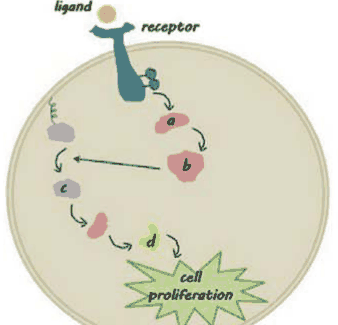
With reference to the signaling pathway shown above, which one of the following options correctly identifies the intracellular components?
- 1a=Grb2; b=SOS; c=Ras-GTP; d=ERK
- 2a=Grb2; b=Ras-GDP; c=MEK; d=ERK
- 3a= SOS; b= Grb2; c=Ras-GTP; d=MAPK
- 4a=RTK; b=SOS; c=Ras-GDP; d=ERK
Show answer and solution
The phosphorylated RTK recruits the adaptor Grb2 (a), which brings in the GEF SOS (b) to make Ras-GTP (c). This activates Raf → MEK → ERK (d), driving proliferation.
Nitric oxide (NO) acts as intracellular second messenger by stimulating
- 1Phosphodiesterase
- 2Nitric oxide synthase
- 3Adenylyl cyclase
- 4Guanylyl cyclase
Show answer and solution
NO activates soluble guanylyl cyclase by binding its heme, raising cGMP.
Which one of the following pathogens does not have the ability to survive within macrophages?
- 1Schistosoma mansoni
- 2Mycobacterium tuberculosis
- 3Listeria monocytogenes
- 4Leishmania donovani
Show answer and solution
Schistosoma is a large multicellular blood fluke and cannot live inside a macrophage. M. tuberculosis, Listeria and Leishmania are classic intra-macrophage pathogens.
The embryonic stem cells in mammals are derived from:
- 1Blastocoel
- 2Inner cell mass
- 3Trophoectoderm
- 4Trophoendoderm
Show answer and solution
ES cells are derived from the pluripotent inner cell mass of the blastocyst.
Which one of the following transcription factors is important for delimiting the meristematic and elongation zones of roots?
- 1SCARECROW (SCR)
- 2SHORT ROOT (SHR)
- 3PLETHORA (PLT)
- 4SPEECHLESS (SPCH)
Show answer and solution
A gradient of the AP2-family PLETHORA proteins sets the stem-cell niche and the boundary between the meristematic and elongation zones.
What would be the effect of retinoic acid (RA) treatment on the ‘positional information’ of blastema cells present on the amputated newt limb?
- 1RA will have no effect.
- 2The cells will become respecified to more proximal position.
- 3The cells will become respecified to more distal position.
- 4Cells will lose their positional information and remain as dedifferentiated cells
Show answer and solution
Retinoic acid proximalises blastema cells. A wrist-level amputation treated with RA regrows a whole limb from the shoulder.
Movement of epithelial sheet spreading as a unit to enclose deeper layers of the embryo is termed as
- 1Epiboly
- 2Emboly
- 3Involution
- 4Ingression
Show answer and solution
Epiboly is the spreading of an epithelial sheet (such as the animal cap) over deeper layers.
β-thioglucosidases, also known as myrosinases, are the enzymes that are known to hydrolyse which one of the following plant natural products?
- 1Glucosinolates
- 2Terpenoids
- 3Alkaloids
- 4Phenolics
Show answer and solution
Myrosinase hydrolyses glucosinolates into isothiocyanates when tissue is damaged: the “mustard oil bomb”.
The high affinity ammonium uptake system in plant’s roots involves transporters in the AMT/Rh family. Which of the following AMT genes is expressed in cortex and endodermis?
- 1AMT1.1
- 2AMT1.2
- 3AMT1.3
- 4AMT1.5
Show answer and solution
AMT1.2 is expressed in cortical and endodermal cells. AMT1.1, 1.3 and 1.5 are mainly in rhizodermis and root hairs.
Which one of the following are the correct encoding sites of large and small subunits of Rubisco enzyme in red and brown algae?
- 1Large subunit in chloroplast and small subunit in nucleus.
- 2Large subunit in nucleus and small subunit in chloroplast.
- 3Both large and small subunits in nucleus
- 4Both large and small subunits in chloroplast.
Show answer and solution
In red and brown algae, which have red-algal-derived plastids, both rbcL and rbcS are encoded in the chloroplast. In green plants rbcS moved to the nucleus.
Which one of the following correctly states the action of sucrose phosphate synthase enzyme?
- 1UDP-glucose and Fructose-6-phosphate are used as substrates.
- 2UDP-glucose and Fructose-6-phosphate are the products.
- 3Sucrose is formed as product.
- 4Sucrose-6-phosphate and UDP-glucose are the products
Show answer and solution
SPS combines UDP-glucose + fructose-6-phosphate into sucrose-6-phosphate + UDP. Sucrose itself comes from the next enzyme, SPP.
The time taken by synaptic vesicles to travel from the soma of a motor neuron in the spinal cord to its neuromuscular junction in a person’s foot by fast axon transport is about-
- 15-10 seconds
- 210-15 minutes
- 35-6 hours
- 42-3 days
Show answer and solution
Fast axonal transport moves at about 200–400 mm/day. Spinal cord to foot (~1 m) takes about 2–3 days.
The release of which neurotransmitter from the rods of retina is reduced when light strikes its outer segment?
- 1Glutamate
- 2Acetylcholine
- 3GABA
- 4Glycine
Show answer and solution
Rods release glutamate continuously in the dark. Light hyperpolarises the rod and reduces glutamate release.
The principal product of fat digestion by pancreatic lipase is the free fatty acids (FFAs) and which one of the following?
- 13- monoacylglycerols
- 22- monoacylglycerols
- 31- monoacylglycerol
- 41, 3- diacylglycerols
Show answer and solution
Pancreatic lipase cuts at positions 1 and 3, giving free fatty acids and 2-monoacylglycerol.
Which one of the following tissues normally DOES NOT produce ghrelin that stimulates food intake?
- 1Stomach
- 2Pancreas
- 3Adrenal
- 4Liver
Show answer and solution
Ghrelin is made mainly by X/A-like cells of the stomach, with small amounts from pancreas, gut and other sites. The liver is not a normal source (per NTA’s key).
A newborn baby got mixed up with other babies in a hospital. If the mother is of O blood group and is Rh +ve and the father is of AB blood group and is Rh -ve, which one of the following can be their baby?
- 1AB and Rh +ve
- 2O and Rh -ve
- 3A and Rh +ve
- 4B and Rh -ve
Show answer and solution
Mother O, father AB: the child is A or B. Father rr, mother Rh+ (RR or Rr): the child is Rh+ or Rh−. “A, Rh+” is possible. “B, Rh−” is also possible if the mother is Rr, but NTA’s key gives only option 3.
Two genes a and b are located at a distance of 10cM. Individuals of the genotype AaBb are sib-mated. The two genes are linked in trans. What percentage of the progeny is expected to have the genotype aabb?
- 10.25
- 20.01
- 36.25
- 425
Show answer and solution
In trans (Ab/aB) the ab gamete is a recombinant at 10%/2 = 5%. P(aabb) = 0.05 × 0.05 = 0.0025 = 0.25%.
Which one of the following statements is true regarding heritability of a quantitative character?
- 1The estimate obtained from a given population and in one set of environment can be extrapolated to other population and sets of environment
- 2The estimate is a population as well as an individual parameter.
- 3Heritability measures the proportion of the phenotypic variation that is the result of genetic factors
- 4Heritability indicates the degree to which a trait is genetic.
Show answer and solution
Heritability is the proportion of phenotypic variance due to genetic variance in one population and environment. It cannot be applied to individuals or carried over to other populations.
Chromosomal inversions are balanced rearrangements and thus do not change the overall amount of genetic material. While inversions can exist in homozygous condition, some only exist as heterozygotes. In the latter condition, the breakpoint disrupts:
- 1pairing of the homologous chromosomes
- 2a non-coding region of the genome
- 3a coding region of the genome
- 4a gene with an essential function
Show answer and solution
If an inversion breakpoint cuts an essential gene, homozygotes die, so the inversion survives only in heterozygotes.
Select the correct combination of factors which drive the extinction vortex
- 1reduced population size, loss of genetic diversity, inbreeding
- 2emigration, fragmented habitat, inbreeding
- 3immigration, reduced population size, loss of genetic diversity
- 4catastrophic events, reduced population size, outbreeding
Show answer and solution
In the extinction vortex, small population size, loss of genetic diversity and inbreeding reinforce one another and drive the population down.
The fall armyworm is a recent, fast invading, destructive herbivore in agricultural systems in north India. This pest species belongs to which one of the following Orders?
- 1Hemiptera
- 2Homoptera
- 3Diptera
- 4Lepidoptera
Show answer and solution
The fall armyworm, Spodoptera frugiperda, is a moth: Lepidoptera.
Which one of the following ecosystems is unique to India?
- 1Mangroves
- 2Cold deserts
- 3Myristica swamps
- 4Riparian forest
Show answer and solution
Myristica swamps are freshwater swamp forests of the Western Ghats, dominated by Myristicaceae. In the NTA framing this ecosystem is unique to India.
Recently, the Bhaironghati area of Uttarkashi has been declared a conservation centre for a species referred to as the ‘Ghost of the Mountains’. Which one of the following animals does this refer to?
- 1Marbled cat
- 2Himalayan ibex
- 3Southern kiang
- 4Snow leopard
Show answer and solution
The “ghost of the mountains” is the snow leopard. A conservation centre for it was set up at Bhaironghati in Uttarkashi.
Which of the following constitute the largest reservoir of carbon in the global carbon cycle?
- 1The atmosphere
- 2The plant biomass on land
- 3Soils
- 4The ocean
Show answer and solution
The ocean, mainly as dissolved inorganic carbon in deep water (~38,000 Gt C), holds far more carbon than soils, plants or the atmosphere.
Select the correct statement from the options given below to complete the following. In the 1960s, experiments were conducted to test the theory of island biogeography. The main findings of these studies indicate that over a long period of time_____________
- 1the rate of extinction and colonization are not equal to each other.
- 2the colonization rates gradually exceed extinction rates
- 3the overall rate of colonization will be balanced by the rate of extinction
- 4rate of colonization will continue to increase while extinction rates will decline
Show answer and solution
Simberloff and Wilson’s defaunation of mangrove islets showed species numbers returning to an equilibrium where colonisation balances extinction.
The Covid-19 pandemic had a major impact on CO2 emissions due to the disruption of industrial activities caused by it. Which of the following countries/regions had the smallest fall of CO2 emissions in % terms during the year 2020?
- 1India
- 2USA
- 3China
- 4European Union
Show answer and solution
In 2020, China’s emissions barely fell (about 1–2%) because its economy recovered quickly. The fall was much larger in the USA, the EU and India.
Select the correct statement that best describes animal territories
- 1Are always inherited from the parent
- 2Are always non-overlapping with neighbours
- 3Extent of territories remain constant over generations
- 4Are always guarded and defended
Show answer and solution
By definition, a territory is an area that an animal actively defends. Territories can overlap, change in size and need not be inherited.
Convergent evolution creates:
- 1Analogous structures
- 2Homologous structures
- 3Synapomorphies
- 4Pleiotropic structures
Show answer and solution
Convergent evolution produces analogous structures: similar function, different origin, like bird and insect wings.
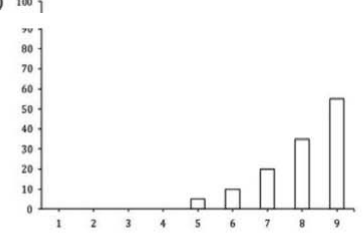
Select the correct option that describes the above graph regarding length of bird’s bill:
- 1Neutral selection
- 2Directional selection
- 3Stabilizing selection
- 4Mutational selection
Show answer and solution
The bill-length distribution shifts toward longer bills, so one extreme is favoured: directional selection.
Eusocial societies are NOT characterised by which of the following?
- 1Altruism
- 2Kin selection
- 3Guarding against intruders
- 4Equal reproductive opportunities
Show answer and solution
Eusocial colonies have a reproductive division of labour: a few breeders and sterile workers. Reproductive opportunities are not equal.
Which one of the following is the most sensitive immunoassay?
- 1Immuno-electrophoresis
- 2Rocket electrophoresis
- 3Immunofluorescence
- 4Passive agglutination
Show answer and solution
Approximate sensitivities: passive agglutination about 0.006–0.06 µg antibody/mL, immunofluorescence about 1, rocket about 20 and immunoelectrophoresis about 20–200 (Kuby). Passive agglutination is the most sensitive.
What is the nature of India’s indigenous COVID-19 vaccine?
- 1It is an mRNA vaccine (for expression of viral spike protein)
- 2It is a preparation of inactivated whole virus
- 3It is a preparation of attenuated SARSCov2 virus
- 4It is a recombinant, replication-deficient chimpanzee adenovirus vector encoding the SARS-CoV-2 Spike (S) glycoprotein
Show answer and solution
Covaxin (Bharat Biotech with ICMR–NIV) is a whole-virion inactivated SARS-CoV-2 vaccine. Option 4 describes Covishield.
Which one of the following statements related to genetic transformation of plants is correct?
- 1Negative selection markers need to be expressed only under strong constitutive promoters for development of transgenic plants
- 2A transgenic plant containing two linked copies of the transgene in heterozygous condition would segregate in a 3:1 (transgenic : non- transgenic) ratio for the transgenic phenotype on self pollination.
- 3Agrobacterium-mediated transfer of T-DNA into a host plant does not require host plant proteins.
- 4In a binary vector system of Agrobacterium tumefaciens, the oncogenes are located on the Helper plasmid.
Show answer and solution
Two linked transgene copies are inherited as one locus, so selfing gives 3:1. Host proteins are needed, the binary vector’s helper plasmid carries the vir genes (not oncogenes), and negative markers do not need strong constitutive promoters.
Which of the following components is typically NOT utilized while capturing images using a confocal laser scanning microscope (CLSM)?
- 1CCD camera
- 2Pinhole
- 3Laser
- 4Detectors
Show answer and solution
A confocal microscope uses a laser, a pinhole and point detectors (PMTs) as it scans. A CCD camera belongs to wide-field and spinning-disk systems.
The electrodes (also called leads) used for human electroencephalography in a 10-20 lead system are labeled with an uppercase letter and a subscript number or a letter. Which one of the following is INCORRECT meaning of the labels of electrodes?
- 1The uppercase letter is an abbreviation of the location of electrode on the head
- 2The electrodes over left hemisphere are labeled with a subscript odd number along with the uppercase letter
- 3The electrodes on the midline of head are labeled with the subscript letter x along with the uppercase letter
- 4The electrodes over right hemisphere are labeled with a subscript even number along with the uppercase letter
Show answer and solution
In the 10–20 system, midline electrodes carry the subscript z (Fz, Cz, Pz), not x. Odd numbers are left and even numbers right.
Which one of the following techniques CANNOT be used for separation, detection or visualization of DNA?
- 1Western Blotting
- 2Polyacrylamide gel electrophoresis
- 3Fluorescence microscopy
- 4Denaturing high performance liquid chromatography
Show answer and solution
Western blotting detects proteins with antibodies. DNA is separated by PAGE and dHPLC, and seen by fluorescence.
The units of molar extinction coefficient are
- 1L mol−1cm−1
- 2cm−1mg ml−1
- 3mol−1mm
- 4mol cm ml−1
Show answer and solution
Beer–Lambert: A = εcl. A has no units, c is in mol/L and l in cm, so ε is in L mol−1 cm−1.
Part C: Life Sciences, analytical (Q71–145)
75 questions; answer any 25. Each carries 4 marks, and a wrong answer costs 1.
Two experiments were performed on a peptide sample ‘X’. In experiment 1, treatment of ‘X’ with dithiothreitol (DTT), followed by blocking of free sulphydryl groups, yielded two polypeptides whose amino acid sequences are as shown below:
I. Ala-Phe-CysA3-Met-Tyr-CysA6-Leu-Trp-CysA9-Asn
II. Val-CysB2-Trp-Val-Ile-Phe-Gly-CysB8-Lys
In experiment 2, ‘X’ was treated with chymotrypsin, a protease that cleaves the carboxy-terminal of aromatic residues. The amino acid composition of five peptides obtained from this experiment are shown below
I. ([Ala], [Phe])
II. ([Asn], 2[Cys], [Met], [Tyr])
III. ([Cys], [Gly], [Lys])
IV. (2[Cys], [Leu], 2[Trp], [Val])
V. ([Ile], [Phe], [Val])
Based on the above results, which cysteine/s are linked by disulfide bond in peptide ‘X’?
- 1A6-B2 and B8-A3
- 2A3-A9 and B2-A6
- 3A3-B2 only
- 4A3-B8 only
Show answer and solution
Chymotrypsin cuts after Phe, Tyr and Trp. Chain I gives Ala-Phe, Cys3-Met-Tyr, Cys6-Leu-Trp and Cys9-Asn. Chain II gives Val-Cys2-Trp, Val-Ile-Phe and Gly-Cys8-Lys. Peptide II (Asn, 2 Cys, Met, Tyr) means A3–A9 are bonded. Peptide IV (2 Cys, Leu, 2 Trp, Val) means A6–B2 are bonded.
The Ramachandran plot graphically shows which combination of torsional angles phi (φ) and psi (ψ) of amino acid residues contained in a peptide are possible. Examination of the plot below shows that only certain regions of the conformational space are permissible.
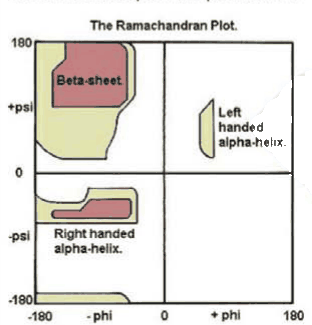
Why are all the theoretical combinations of φ and ψ not possible?
- 1Two atoms cannot occupy the same space
- 2The geometry of the peptide bond that links two amino acid residues restricts φ and ψ angles
- 3Beta sheets and alpha helices determine the allowed regions of conformational space.
- 4The tertiary fold of polypeptides restricts conformational space
Show answer and solution
Many φ/ψ combinations would push backbone and side-chain atoms into each other. Steric clashes, because two atoms cannot occupy the same space, rule out most of the plot.
Consider the following statements:
- A. Coenzyme B12 is an organometallic compound
- B. Pyridoxal phosphate is a co-factor used by many amino- transferases.
- C. The affinity of biotin for avidin is one of the highest binding affinities known in biochemistry
- D. Enzymes catalyse biochemical reactions by lowering the energy of the transition state
Which one of the following options represents all correct statements?
- 1A, B, C and D
- 2B, C and D only
- 3C and D only
- 4D only
Show answer and solution
All four are true. B12 has a Co–C bond, which makes it organometallic. PLP is the aminotransferase cofactor. Biotin–avidin binding has Kd ≈ 10−15 M. Enzymes lower the activation energy by stabilising the transition state.
The pKa of the ionizable groups in the tripeptide shown below are indicated in the structure.
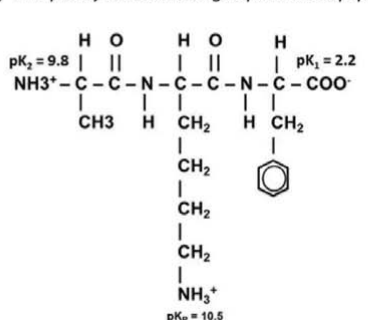
The isoelectric point (pI) of this peptide is
- 110.15
- 26
- 36.35
- 47.5
Show answer and solution
Ala-Lys-Phe has pKa values of 2.2 (COOH), 9.8 (α-NH3+) and 10.5 (Lys). The neutral form sits between the two amino pKa values: pI = (9.8 + 10.5)/2 = 10.15.
What is the fold difference between v at [S] = Km and v at [S] = 1000Km, where v is the initial velocity of an enzyme catalyzed reaction, [S] is substrate concentration and Km is the Michaelis constant?
- 11.998
- 21000
- 32.998
- 43.998
Show answer and solution
v(Km) = Vmax/2 and v(1000Km) = (1000/1001)Vmax. Their ratio is 2000/1001 ≈ 1.998.
Purine and pyrimidine nucleotides serve as monomeric units of the nucleic acid polymers DNA and RNA. Mentioned below are some of the statements with respect to the de novo synthesis of nucleotides. Which one of the following statements is INCORRECT?
- 1Biosynthesis of both purine and pyrimidine nucleotides begin with ribose-5-phosphate and purine or pyrimidine rings are built on it.
- 2The first purine nucleotide biosynthesized by de novo pathway is inosinic acid or inosine-monophosphate.
- 3The first pyrimidine nucleotide biosynthesized by de novo pathway is orotidylic acid or orotidine monophosphate.
- 4Thymidylate or TMP is synthesized as deoxy-TMP from deoxy-UMP by thymidylate synthetase.
Show answer and solution
Purines are built on PRPP (ribose-5-phosphate). The pyrimidine ring is made first (orotate) and only then attached to PRPP. So statement 1 is incorrect.
Following statements were made about stress response in prokaryotes:
- A. PerR functions as a major peroxide sensor in many Gram- positive bacteria.
- B. Extreme acidic pH induces RecA-mediated DNA damage, which in turn may induce virulence gene expression in some pathogenic bacteria.
- C. Induced expression of heat shock proteins neither protects the cells from heat nor plays a role in bacterial virulence.
- D. In Gram-negative bacteria, heat shock σ factor regulates the transcription of the major heat shock proteins.
- E. GroES is an ATP-dependent chaperonin but GroEL may function in ATP-independent manner.
Which one of the following represents the correct combination of above statements?
- 1A, C, D
- 2A, B, D
- 3B, C, E
- 4B, D, E
Show answer and solution
PerR senses peroxide in Gram-positive bacteria (A). Acid-induced DNA damage and RecA can switch on virulence genes (B). σ32 controls heat-shock genes (D). Heat-shock proteins do protect cells and aid virulence (C false), and GroEL is the ATP-dependent chaperonin while GroES is its co-chaperonin (E false).
Sequencing of the human genome has identified 67 putative gene encoding K+ channels. To characterize the function of one of these genes, a researcher would typically carry out the following experiments:
- A. In vitro transcription of the cloned cDNA for this gene in a cell-free system to produce the corresponding mRNA
- B. Injecting above mentioned mRNA into frog oocytes
- C. Measuring channel-protein activity using a patch-clamping technique
- D. Knocking out the gene encoding the homolog of this channel in frog oocytes and measuring channel activity using a patch-clamping technique
Choose the correct combination of experiments that would help in the characterization of the K+ channel.
- 1A, B, and C
- 2B, C, and D
- 3C, D and A
- 4D, A and B
Show answer and solution
The standard approach: transcribe the cDNA in vitro (A), inject the cRNA into Xenopus oocytes (B) and record channel currents by patch clamp (C). Frog oocytes are used precisely because they lack such channels, so knocking out a frog homologue (D) is unnecessary.
Cyanide, a chemical warfare agent, is toxic because it:
- A. binds to the heme a3 in mitochondrial cytochrome c oxidase (in complex IV)
- B. inhibits electron transport and thus oxidative phosphorylation
- C. directly blocks mitochondrial DNA replication
- D. blocks the protein trafficking inside the mitochondria by affecting TIM and TOM channels
Choose the combination with all correct statements.
- 1A and C
- 2A and B
- 3B and C
- 4A, B, and D
Show answer and solution
CN− binds the ferric heme a3–CuB centre of complex IV (A). This stops electron transport and oxidative phosphorylation (B). It does not act on mtDNA replication or TIM/TOM import.
Following statements were made about transposons:
- A. Transposons have inverted terminal repeats and their integration generates inverted repeats at the flanks of the target site in the host genome.
- B. A composite transposon can transpose as a unit.
- C. The transposition event may cause deletions or inversions or move a host sequence to a new location.
- D. The transposition event may cause deletions or inversions but cannot move a host sequence to a new location.
- E. Replicative transposition proceeds through cointegration.
Which one of the following represents the combination of the correct statements?
- 1A, B, D
- 2B, C, E
- 3B and D only
- 4C and E only
Show answer and solution
Composite transposons move as a unit (B). Transposition can delete, invert or move host DNA (C). Replicative transposition goes through a cointegrate (E). Integration duplicates the target site as direct repeats, not inverted ones (A false).
Following statements were made about cell cycle regulation:
- A. De novo synthesis and destruction of Cyclin B are essential for cell cycle progression in yeast.
- B. De novo synthesis and destruction of Cyclin B and the related Cyclin dependent Kinase (CDK) are essential for cell cycle progression.
- C. CDK activity is regulated by both activating and inhibitory phosphorylation.
- D. Retinoblastoma (Rb) functions as an inhibitor of G2 to M transition.
- E. Inactivation of Sic 1 is essential for transition into S phase.
Which one of the following represents the combination of the correct statements?
- 1A, C, D
- 2B, C, D
- 3A, C, E
- 4B, C, E
Show answer and solution
Cyclin B is made and destroyed every cycle (A). CDKs are regulated by activating (Thr161) and inhibitory (Tyr15) phosphorylation (C). Sic1 must be destroyed before S phase can start (E). The CDK protein itself stays fairly constant (B false), and Rb acts at G1/S, not G2/M (D false).
Following statements were made about protein trafficking in cells:
- A. Cargo selection occurs when coat proteins bind to the sorting signals either directly or indirectly via adaptor complexes.
- B. Protein export from the ER is exclusively mediated through the COPII-coated vesicles.
- C. Identical coat protein is used in the exocytic pathway and/or endocytic pathway.
- D. Tethering of the vesicles involves small guanosine triphosphatases (GTPases) of the Rab family.
- E. Clathrin-coated vesicles transport proteins from the plasma membrane to the trans-Golgi network to late endosomes.
Which one of the following represents the correct combination of above statements?
- 1A, B, D
- 2A, B, E
- 3B, C, D
- 4C, D, E
Show answer and solution
Coat proteins choose cargo directly or through adaptors (A). ER export uses COPII vesicles (B). Rab GTPases tether vesicles (D). Different coats (COPII, COPI, clathrin) serve different routes (C false), and clathrin vesicles carry cargo from the plasma membrane and TGN to endosomes (E false).
The following statements are made with reference to the structure of the nucleosome:
- A. The histone tetramer in the core of the nucleosome comprises H2A, H2B, H3 and H4.
- B. The N-terminal tails of the core histones are believed to stabilize the 30 nm fiber of nucleosomal DNA by their interactions with adjacent nucleosomes.
- C. The post-translational modifications of the N-terminal tails as well as globular domains of the core histones modulate transcriptional events
- D. According to the zigzag model of the 30 nm fiber the linker DNA circles around the central axis of the fiber as the DNA moves from one nucleosome to the next.
Which of the following combinations represents all correct statements?
- 1B and C only
- 2A, B and C
- 3C and D only
- 4B and D only
Show answer and solution
Histone tails contact neighbouring nucleosomes and stabilise the 30-nm fibre (B). Modifications of tails and globular domains control transcription (C). The core is an octamer (two each of H2A, H2B, H3 and H4), with an (H3–H4)2 tetramer at its centre (A false). In the zig-zag model, linker DNA runs straight back and forth across the fibre (D describes the solenoid).
The following observations are being made in the context of the regulation of iron homeostasis in mammalian cells.
- A. The levels of transferrin receptor mRNA increase 30-fold in the absence of iron
- B. Certain mutations in the 3’UTR of transferrin receptor mRNA fail to support increase in mRNA levels under low iron concentrations
- C. The level of transferrin receptor mRNA continues to be high in low iron concentration even when the cells are treated with α-amanitin
- D. The transferrin receptor mRNA levels decrease rapidly when iron is added to the cells.
Based on these observations, which one of the following statements represents the most likely scenario?
- 1Transferrin receptor is only transcriptionally regulated, and the 3’ end of the gene is the regulatory site
- 2Transferrin receptor is post-transcriptionally regulated, and the 3’UTR is the regulatory site
- 3Iron induces expression of transferrin receptor, and the transferrin receptor protein is degraded in the presence of iron
- 4Regulation of transferrin receptor is not sensitive to iron
Show answer and solution
TfR mRNA stays high under α-amanitin (no transcription), depends on its 3′UTR and falls quickly when iron is added. So regulation is post-transcriptional. IRP proteins bind IREs in the 3′UTR and stabilise the mRNA when iron is low.
A heterozygote of E. coli was produced with the following combination of mutations:
trpR+trpO−trpE+/trpR+trpO+trpE−
where R is the repressor, O is the operator and trpE encodes the first enzyme in the biosynthetic cascade for tryptophan. Assume all other enzymes required are wild type. Which one of the following is the most likely phenotype of this E. coli?
- 1Synthesizes tryptophan irrespective of tryptophan status in the medium
- 2Synthesizes tryptophan only when tryptophan is absent
- 3Synthesizes tryptophan only when tryptophan is present
- 4Cannot synthesize tryptophan under any condition
Show answer and solution
An O− (operator-constitutive) mutation acts only in cis. It lies on the same chromosome as trpE+, so functional TrpE is made constitutively, and Trp is synthesised whatever the medium contains.
Precise recognition of tRNAs by their cognate aminoacyl-tRNA synthetases is crucial for the fidelity of protein synthesis. In the context of the aminoacylation of tRNAAla with its cognate aminoacyl-tRNA synthetase (AlaRS) and based on the studies on the molecules of Escherichia coli origin, following statements are made. Which one of the statements is INCORRECT?
- 1Anticodon of tRNAAla makes important contribution to the specificity of its aminoacylation by AlaRS
- 2Mutational analyses have shown that for aminoacylation of the tRNAAla by AlaRS, the presence of a wobble pair in the acceptor stem (G3:U70) is the most crucial element.
- 3Aminoacylation of tRNAAla by AlaRS occurs even if the anticodon of tRNAAla is mutated.
- 4A microhelix lacking a clover leaf structure and harboring only the acceptor stem sequence of the tRNAAla is specifically aminoacylated by AlaRS.
Show answer and solution
Alanyl-tRNA synthetase recognises mainly the G3·U70 wobble pair in the acceptor stem. The anticodon is not needed, and even an acceptor-stem microhelix gets charged. So statement 1 is incorrect.
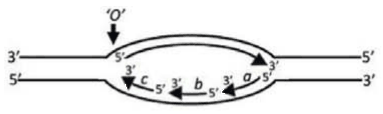
In the figure above, replication of DNA beginning from the origin of replication of the chromosome of a newly identified bacterium having a double stranded circular DNA genome is shown. Characterization of DNA polymerase responsible for genome replication showed that DNA synthesis occurred in 5’ to 3’ direction and it depends on the presence of a primer (as is the case in Escherichia coli). Polarities of DNA (5’ or 3’) are as shown. Replication begins at a point marked ‘o’ on the left of the bubble, and both the parent strands were replicated concurrently. The longer arrow inside the bubble shows the leading strand, whereas the shorter arrows (marked a, b, c) show the Okazaki fragments. The model depicts a:
- 1bidirectional mode of replication wherein synthesis of the Okazaki fragment marked ‘c’ occurs prior to those marked ‘a’ and ‘b’
- 2bidirectional mode of replication wherein synthesis of the Okazaki fragment marked ‘a’ occurs prior to those marked ‘b’ and ‘c’
- 3unidirectional mode of replication wherein synthesis of the Okazaki fragment marked ‘c’ occurs prior to those marked ‘a’ and ‘b’.
- 4unidirectional mode of replication wherein synthesis of the Okazaki fragment marked ‘a’ occurs prior to those marked ‘b’ and ‘c’.
Show answer and solution
Only one fork is active, moving right from the origin, so replication is unidirectional. Okazaki fragments are made as the fork opens new template, so the one nearest the origin (c) was made first, then b, then a.
Which one of the following statements is NOT a correct feature of Escherichia coli RNA polymerase?
- 1Presence of the σ subunit along with α2ββ′ω core RNA polymerase is required for its promoter-specific binding.
- 2Presence of the σ subunit along with α2ββ′ω core RNA polymerase is not necessary for the core RNA polymerase (α2ββ′ω) to bind to the DNA template.
- 3Mutations in β subunit in its rifampicin resistance defining region (RRDR) confer rifampicin resistance phenotype.
- 4Mutations in σ subunit in its rifampicin resistance defining region (RRDR) confer rifampicin resistance phenotype.
Show answer and solution
Rifampicin binds the β subunit (rpoB). The rifampicin-resistance determining region lies in rpoB, not in σ, so statement 4 is not correct.
Bone marrow cells were sorted using 4 cell-surface markers, CD45R (B220), CD43 (leukosialin), membrane-associated Immunoglobulin M (mIgM) and membrane-associated Immunoglobulin D (mIgD). The sorted cells were then analyzed for immunoglobulin (Ig) gene rearrangements for the heavy chain. With this information, the sorted cells were categorized into different stages of B-cell development. The observations and the inferences drawn are given below.
| S.No | Status of cell surface markers | Status of Ig gene rearrangement with respect to heavy chain | Inference drawn |
|---|---|---|---|
| A | CD45R+, CD43−, mIgMhi, mIgDhi | VHDJH-Cμ | Mature B cell |
| B | CD45R+, CD43+, mIgM−, mIgD− | Germline arrangement of Ig heavy chain locus | Pro B cell |
| C | CD45R+, CD43−, mIgMlow, mIgD− | VHDJH-Cμ | Late stages of pre-B cell (small pre-B cell) |
| D | CD45R+, CD43+, mIgM−, mIgD− | VHDJH | Immature B cell |
| E | CD45R−, CD43+, mIgM−, mIgD− | Germline arrangement of Ig heavy chain locus | May not be a precursor B cell |
Which of the above inferences are correct?
- 1B and D only
- 2A, B, C and E only
- 3A, C and E only
- 4B, D, and E only
Show answer and solution
NTA accepts A, B, C and E. A: mature B cells are IgMhi IgDhi. B: CD43+ pro-B cells. C: late pre-B cells with VDJ–Cμ. E: B220− cells may not be B-lineage at all. D is wrong: CD43+ cells with VDJ but no surface IgM are pre-B cells, not immature B cells.
Virus infected cells are cleared by cytolysis by natural killer (NK) cells and CD8+ Cytotoxic T lymphocytes (CTLs). Which of the following graphs correctly represents the changes in the cell numbers of the two cell types during the course of a viral infection, considering that the virus is cleared by 14th day?
- 1

- 2

- 3

- 4


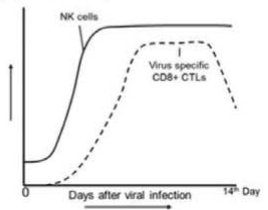
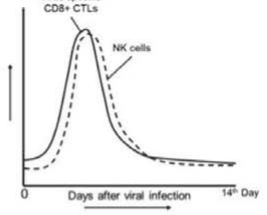
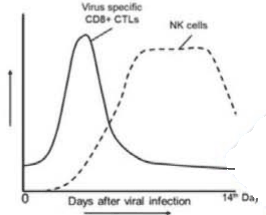
Show answer and solution
NK cells are innate. They expand within 2–3 days and then fall. Virus-specific CD8+ CTLs need priming and clonal expansion, so they peak later, around days 7–10, and contract once the virus is cleared. That is graph 1.
The gradient of oxygen available to cells at inner regions of a tumour tissue environment is typically low that creates a hypoxic micro-environment. If enough oxygen is supplied to the cancer cells residing in hypoxic micro-environment, which one of the following processes may NOT occur?
- 1HIF-1α stable in the cells under hypoxic conditions, may undergo oxygen-dependent hydroxylation, targeting it for ubiquitination and proteolysis by tumour-suppressor protein VHL.
- 2Warburg effect will be reversed and conversion of glucose to lactate will not take place as sufficient oxygen will be available for oxidative phosphorylation.
- 3Expression of HIF-1α dependent genes will be lowered
- 4Lactate generation in the tumour microenvironment, which contributed to M2 polarization of tissue-associated macrophages, will continue.
Show answer and solution
With enough O2, HIF-1α is hydroxylated and destroyed through VHL, its target genes fall, and cells switch back to oxidative metabolism. Lactate production would not continue, so option 4 would not happen.
Column “X” represents a list of different viruses and column “Y” represents the mechanisms generally adopted by viruses to evade host defense.
| X | Y | ||
|---|---|---|---|
| A. | Hepatitis C | (i) | By inhibiting antigen delivery to class I MHC receptors on virus-infected cells thus preventing presentation of viral antigens to CD8+ T cells. |
| B. | Herpes simplex virus (HSV) | (ii) | By evading antibody-mediated destruction through complement activation. |
| C. | Vaccinia virus | (iii) | By constantly changing their antigens called antigenic variations. |
| D. | Human immunodeficiency virus (HIV) | (iv) | By evading the action of IFNα/β, the major antiviral cytokine. |
Identify the correct match.
- 1A – i; B – ii; C – iii; D – iv
- 2A – ii; B – iii; C – iv; D – i
- 3A – iii; B – iv; C – i; D – ii
- 4A – iv; B – i; C – ii; D – iii
Show answer and solution
HCV proteins (NS3/4A, NS5A) block interferon signalling. HSV ICP47 blocks TAP and so class I presentation. Vaccinia makes a complement control protein. HIV relies on antigenic variation.
Although a majority of G protein-coupled receptors (GPCRs) act through adenylyl cyclase, many of them (GPCR) exert their effects by activating the plasma membrane-bound enzyme phospholipase C-β (PLC-β). These receptors activate the so-called inositol phospholipid signaling pathway mainly via a G protein called Gq, which activates PLC-β in much the same way that Gs activates adenylyl cyclase. Mentioned below are some of the steps with functional characteristics of inositol phospholipid signaling pathway, one of which is not correct. Select the INCORRECT option.
- 1PLC-β acts on phosphatidyl inositol 4,5-biphosphate (PIP2), which is present in the inner half of the plasma membrane lipid bilayer.
- 2Activated PLC-β cleaves the PIP2 to generate two products: inositol 1,4,5-triphosphate (IP3) and diacylglycerol (DAG).
- 3IP3 is a small lipid-soluble molecule that binds to IP3 receptor on plasma membrane thereby increasing Ca2+ concentration in the cytosol.
- 4DAG gets further cleaved to release arachidonic acid, which is used in the synthesis of eicosanoids including prostaglandins. DAG also activates Ca2+ dependent protein kinase C or PKC.
Show answer and solution
IP3 is a small water-soluble molecule. It diffuses through the cytosol and binds IP3 receptors on the ER, releasing Ca2+. Statement 3 is therefore incorrect.
In an experiment, activin-secreting beads were placed on unspecified cells from an early Xenopus embryo. The activin then diffused from the beads. If the beads contained 1nM of activin, it elicited expression of Xbra gene in cells near to the beads. If the beads contained 4 nM activin, the expression of Xbra was elicited in cells, but only at a distance of several cell diameters away from the beads. In the latter case, expression of goosecoid gene was observed near the source bead. Beads with no activin did not elicit the expression of the two genes.
Following statements were made regarding the observations and the role of activin in determining cell fate.
- A. High concentration of activin activates goosecoid, whereas lower concentrations activate Xbra.
- B. Lower concentrations of activin help specify the dorsal-most structures of the frog’s embryo
- C. Concentrations of activin that do not lead to expression of the two genes specifies the cell to become blood vessels and heart
Which of the above statement(s) are correct?
- 1A only
- 2C only
- 3A and C
- 4B and C
Show answer and solution
High activin switches on goosecoid (dorsal, Organizer) and lower doses switch on Xbra (A). NTA also counts C: very low doses specify ventral fates such as blood and heart. B is wrong because the high doses specify dorsal-most structures.
The specification of sea urchin micromeres involves the activation of a repressor protein Pmar1, which represses the expression of hesC, which also encodes a repressor protein. One of the genes controlled by HesC is Delta, whose expression is used as a marker for micromere lineage. The image below represents a sea urchin embryo on which whole mount in situ hybridization (WMISH) was performed using delta probe, indicated by the area ‘A’. The rest of the embryo is labeled ‘B’.
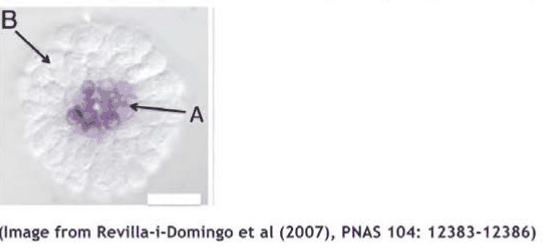
The table below summarizes a set of experiments (column A) and the area in which hybridization is observed (column B)
| Column A | Column B | ||
|---|---|---|---|
| A. | WMISH with hesC probe | i. | A |
| B. | WMISH with delta probe following microinjection of pmar1 mRNA into fertilized eggs. | ii. | B |
| C. | WMISH with delta probe following microinjection of antisense RNA to hesC into fertilized eggs. | iii. | Both A and B |
| iv. | neither A nor B |
Which one of the following options is a correct match between columns A and B?
- 1A – ii; B – iii; C – iii
- 2A – ii; B – iii; C – iv
- 3A – i; B – ii; C – iv
- 4A – ii; B – ii; C – iii
Show answer and solution
hesC is expressed everywhere except the micromeres (A–ii). Pmar1 throughout the embryo, or hesC knockdown, lifts repression of delta in every cell (B–iii, C–iii).
Induction is an extrinsic process that depends on the position of a cell in the embryo. It is a process whereby one cell or group of cells can influence the developmental fate of another, and is a common strategy to control differentiation and pattern formation in development. The following statements were made regarding induction in a developing embryo.
- A. The inductive signal can be a protein secreted from the inducing cells that binds to receptors of a responding cell.
- B. Response to inductive signals depends on competence of the inducing cell.
- C. Instructive induction occurs when the responding cell is already committed to a certain fate.
- D. Lateral inhibition is an induction that results in differentiation of individual cells in a regularly spaced pattern.
Which one of the following combination of statements is correct?
- 1A and C
- 2B and D
- 3A and D
- 4B and C
Show answer and solution
Inductive signals are often secreted proteins acting on receptors (A). Lateral inhibition produces regularly spaced cell types, as in bristle spacing (D). Response depends on the competence of the responding cell (B false). Induction of an already committed cell is permissive, not instructive (C false).
The early embryonic development in amphibians and aves serve as two different model plans of development. In the former the germ layer formation is initiated from a fluid-filled ball like blastula, while in the latter the germ layer formation is initiated on a flat blastodisc. Given below are some of the terms for amphibian embryo in column I and from avian embryo in column II:
| Column I | Column II | ||
|---|---|---|---|
| A. | Blastocoel | i. | Posterior Marginal Zone (PMZ) |
| B. | Blastopore lip | ii. | Primitive streak |
| C. | Dorsal lip of blastopore | iii. | Hensen’s node |
| D. | Blastopore | iv. | Between epiblast and hypoblast |
| E. | Nieuwkoop center | v. | Primitive groove |
Which of the following is the all correct match of the terms in column I with that of column II?
- 1A-iv, B-iii, C-ii, D-v, E-i
- 2A-iv, B-ii, C-iii, D-v, E-i
- 3A-v, B-i, C-ii, D-iv, E-iii
- 4A-i, B-ii, C-iii, D-iv, E-v
Show answer and solution
Avian equivalents of amphibian structures: blastocoel = the space between epiblast and hypoblast. Blastopore lip = primitive streak. Dorsal lip = Hensen’s node. Blastopore = primitive groove. Nieuwkoop centre = posterior marginal zone.
Following are certain statements related to seed maturation:
- A. Seed maturation involves mainly the accumulation of storage products, such as starch, lipids and proteins.
- B. A large number of chaperones including the family of LATE EMBRYO ABUNDANT (LEA) proteins, play a crucial role in the dessication process of seeds
- C. Moisture content gets reduced with the maturation of seed
- D. ABA and gibberellin both promote seed dormancy
Which one of the following options has all correct statements?
- 1A and C only
- 2B and D only
- 3B, C and D only
- 4A, B and C only
Show answer and solution
Seed maturation is mainly the storage of starch, oil and protein (A). LEA proteins protect cells during desiccation (B). Water content falls (C). ABA promotes dormancy but GA breaks it, so D is false.
Given below are statements related to expression of some of the pattern-forming genes in vertebrate limb bud:
- A. Lmx1b gene is expressed in dorsal mesenchyme
- B. Shh is expressed in the posterior region.
- C. Wnt7a gene is expressed in dorsal ectoderm.
- D. Hoxa13 and Hoxd13 are expressed in the distal region.
- E. Tbx5 and FGF10 are expressed in the lateral plate mesoderm involved in formation of limb bud.
The Nail-Patella syndrome in human and the syndrome in mouse exhibiting footpads on both dorsal and ventral surfaces of limb are associated with which of the above mentioned gene functions?
- 1B, D and E
- 2B and D only
- 3A, B and D
- 4A and C only
Show answer and solution
Nail–patella syndrome comes from LMX1B loss, which is expressed in dorsal mesenchyme (A). Mice lacking Wnt7a, from the dorsal ectoderm, form ventral footpads on both surfaces (C).
The following statements refer to photosystem structure and function involved in light-dependent reaction of photosynthesis:
- A. The antenna or light harvesting complex absorbs light energy and transfers it to the reaction centre.
- B. The first electron is released from P680 and transferred to QA to produce a semiquinone QA−
- C. D1, a protein subunit of the plant PSII core complex is encoded by gene psbD
Which one of the following combinations of above statements is INCORRECT?
- 1A and B
- 2B and C
- 3A and C
- 4Only C
Show answer and solution
B is wrong: the first acceptor after P680 is pheophytin, then QA. C is wrong: D1 is encoded by psbA, while psbD encodes D2. A is correct.
Following are certain statements regarding photorespiration pathway in plants:
- A. The first two-carbon (2C) compound synthesized by the action of Rubisco in the chloroplast is glycolate.
- B. Glycolate exits the chloroplast and enters peroxisomes.
- C. Glycolate that is synthesized during C2 cycle enters the chloroplast from mitochondria.
- D. Glycine is transported from peroxisomes to mitochondria.
Which one of the following combinations is INCORRECT?
- 1A and B only
- 2A and C only
- 3B, C and D
- 4A, C and D
Show answer and solution
A is wrong: Rubisco oxygenase makes 2-phosphoglycolate, which is then dephosphorylated to glycolate. C is wrong: glycerate returns to the chloroplast from the peroxisome, not glycolate from mitochondria. B and D are correct.
Plant pathogens produce effector molecules that aid in colonization of their host cells. Column X denotes the name of effector molecules and Column Y denotes the potential functions:
| Column X | Column Y | ||
|---|---|---|---|
| A | HC-toxin | i | Activates specific host gene expression |
| B | Fusicoccin | ii | Accelerates growth |
| C | GA3 | iii | Inhibits Histone deacetylases |
| D | TAL | iv | Activates H+-ATPase |
Which one of the following is the correct match:
- 1A – ii, B – iii, C – iv, D – i
- 2A – iii, B – iv, C – ii, D – i
- 3A – i, B – iv, C – ii, D – iii
- 4A – iv, B – ii, C – i, D – iii
Show answer and solution
Cochliobolus HC-toxin inhibits histone deacetylases. Fusicoccin locks the plasma-membrane H+-ATPase on. GA3 from Gibberella causes overgrowth (bakanae). Xanthomonas TAL effectors switch on host genes.
Plants are known to synthesize more than 30,000 terpenoids, involving four stages of biosynthesis. Following are the list of biosynthetic steps (Column X) and the key class of enzymes involved (Column Y):
| Column X | Column Y | ||
|---|---|---|---|
| A. | Biosynthesis of two basic five-carbon unit | i. | Terpene synthases |
| B. | Repetitive additions of C5 units | ii. | P450 monooxygenases |
| C. | Formation of the basic terpenoid skeletons | iii. | HMG-CoA synthase |
| D. | Modification of terpenoid skeletons | iv. | Prenyltransferases |
Which of the following is the correct match?
- 1A – i, B – iii, C – iv, D – ii
- 2A – ii, B – iii, C – i, D – iv
- 3A – i, B – ii, C – iii, D – iv
- 4A – iii, B – iv, C – i, D – ii
Show answer and solution
Making IPP/DMAPP (MVA pathway): HMG-CoA synthase. Joining C5 units: prenyltransferases. Making skeletons: terpene synthases. Decorating them: P450 monooxygenases.
Following statements are made about nitrate transporters in plant cells:
- A. Nitrate uptake displays two saturable phases, with Km in the micromolar (µM) range for the high-affinity system and in the millimolar (mM) range for the low-affinity system.
- B. The Arabidopsis AtNRT1·1 is a dual affinity nitrate transporter.
- C. AtNRT 1·2 participates in high-affinity uptake.
- D. AtNRT 2·1 and AtNRT 2·2 are involved in low-affinity uptake.
Select the option that has the combination of all correct statements.
- 1A and D only
- 2B and D only
- 3A and B only
- 4A, C and D
Show answer and solution
Nitrate uptake has a high-affinity (µM Km) and a low-affinity (mM) phase (A). NRT1.1 (NPF6.3) is dual-affinity (B). NRT1.2 is low-affinity and NRT2.1/2.2 are high-affinity, so C and D are reversed.
Glycophytes are salt-sensitive plants while halophytes are salt-tolerant plants. The following statements were made to explain the difference between the glycophytes and halophytes.
- A. Glycophytes enhance the uptake of ions.
- B. Glycophytes actively pump ions back into the soil.
- C. Halophytes have ability to resist net ion uptake in the shoot.
- D. Halophytes have greater capacity for vacuolar sequestration of ions.
Select the option that has the combination of all correct statements.
- 1A, B and C
- 2A and D only
- 3B and C only
- 4B, C and D
Show answer and solution
Halophytes keep net ion uptake into the shoot low (C) and sequester Na+ in vacuoles (D). NTA also counts B (ion efflux back to the soil) as a glycophyte response. Glycophytes do not take up more ions on purpose (A false).
Human chorionic gonadotropin (hCG) is a placental gonadotropin that controls hormonal secretions from corpus luteum during initial stage of pregnancy. Following statements are made about hCG:
- A. It is a glycoprotein that contains galactose and hexosamine.
- B. It is a heterodimer with a larger alpha subunit and smaller beta subunit.
- C. It is a heterodimer with a smaller alpha subunit and larger beta subunit.
- D. hCG is identical to beta subunit of LH and FSH.
- E. It appears as early as 6 days after conception in blood and 14 days after conception in urine.
Which one of the following has all correct combination of statements?
- 1A, B and D
- 2A, C and E
- 3B, D and E
- 4A, C and D
Show answer and solution
hCG is a glycoprotein containing galactose and hexosamine (A). Its α subunit (92 aa) is smaller than its β (145 aa) (C). It is detectable in blood about 6–8 days and in urine about 14 days after conception (E). Its α is shared with LH, FSH and TSH, and its β resembles LH-β, so D is false.
The amount of hemoglobin in blood is one of the important health markers. Following statements are made regarding hemoglobin degradation when older red blood cells (RBCs) are destroyed by tissue macrophages.
- A. The globin protein of the hemoglobin is split off and heme is converted first to bilirubin by the action of heme oxygenase.
- B. The globin protein of the hemoglobin is split off and heme is converted first to biliverdin by the action of heme oxygenase.
- C. Carbon monoxide (CO) is formed in the process.
- D. Nitric oxide (NO) is formed in the process.
Which one of the following represents correct combination of statements?
- 1A and C
- 2B and C
- 3A and D
- 4B and D
Show answer and solution
Heme oxygenase opens the porphyrin ring to give biliverdin, releasing Fe and CO (B, C). Biliverdin reductase then makes bilirubin.
Catecholamines (i.e. dopamine, norepinephrine and epinephrine) are important adrenal medullary hormones which play a role in the response for emergency situations. The following statements are made with reference to this:
- A. Catecholamines can easily cross the blood-brain barrier.
- B. Dopa decarboxylase (DD) is a soluble enzyme that converts L- dopa to dopamine.
- C. Dopamine B- hydroxylase (DBH) is a particulate enzyme carrying copper in its active site and it converts dopamine to epinephrine.
- D. Phenylethanolamine-N-methyltransferase (PNMT) is a soluble enzyme that is induced by glucocorticoids.
Which one of the following has the correct combination of statements?
- 1A and B
- 2B and D
- 3C and D
- 4A and C
Show answer and solution
Dopa decarboxylase is a soluble enzyme (B). PNMT is cytosolic and induced by cortisol arriving from the cortex (D). Catecholamines do not cross the blood–brain barrier (A false). DBH makes noradrenaline, not adrenaline (C false).
The following statements were proposed by a researcher on the characteristic features of stretch receptors in atria and the effect of these receptors’ activity on blood pressure regulation:
- A. The activity of type A receptors are increased by burst of impulses during atrial systole
- B. The activity of type B receptors are increased by burst of impulses at the time of peak atrial filling during late diastole of atria
- C. The discharge of type B atrial receptors is increased when venous return is increased
- D. The activity of type B atrial receptors is increased by positive pressure breathing
- E. The increased activity of most of the atrial receptors initiates reflex circulatory adjustment by increasing blood pressure
- F. The heart rate is decreased reflexly by the increased activity of atrial receptors
Choose all CORRECT statements from the following options:
- 1C, D and E
- 2D, E and F
- 3A, B and C
- 4B, C and D
Show answer and solution
Type B atrial receptors fire at peak atrial filling, so they rise with venous return (C) and with positive-pressure breathing (D). NTA also counts E. Ganong notes that atrial-receptor activation usually lowers blood pressure through vasodilation, so this solution follows NTA’s key.
The explanations for increased conduction velocity of action potentials in a myelinated nerve fibre (MNF) as compared to that of a non-myelinated fibre (NNF) of same diameter are suggested below:
- A. Much higher number of ions traverse a unit length of an MNF membrane compared to that of an NNF during conduction of action potential as the ionic currents are restricted to the membrane at the Nodes of Ranvier
- B. The energy expenditure required to maintain ionic gradient after conduction of action potential in an NNF is higher than that of an MNF
- C. The action potentials of MNF do not have a hyperpolarizing effect like that of an NNF
- D. The relative refractory period is not extended in an MNF like that of an NNF
- E. The axolemma at the nodes of Ranvier lacks K+ ion channels
- F. MNFs are metabolically less efficient than NNFs
Choose all correct statements from the following options:
- 1A, B and C
- 2B, C and D
- 3C, D and E
- 4D, E and F
Show answer and solution
At mammalian nodes of Ranvier there are few K+ channels (E). Repolarisation happens without an after-hyperpolarisation (C), and the relative refractory period is short (D). A is wrong because fewer ions cross per unit length. B, that unmyelinated fibres cost more energy, is also true, but NTA’s key is C, D and E.
The mechanisms of regulation of H+ secretion by kidneys in acidosis have been suggested in the following statements:
- A. Acidosis inhibits the secretion of cortisol by adrenal cortex
- B. The transcription of Na+– H+ antiporter gene is decreased by cortisol
- C. The translation of mRNA of 1Na+– 3HCO3− symporter gene is decreased by cortisol
- D. The secretion of endothelin-1(ET-1) from the proximal tubule is enhanced in acidosis
- E. ET-1 stimulates the phosphorylation and subsequent insertion of the Na+– H+ antiporter into the apical membrane of proximal tubular cells
- F. The insertion of 1Na+– 3HCO3− symporter into the basolateral membrane of proximal tubular cells is also increased by ET-1
Choose all CORRECT statements from the following options:
- 1A, B and C
- 2B, C and D
- 3C, D and E
- 4D, E and F
Show answer and solution
Acidosis raises endothelin-1 from the proximal tubule (D). ET-1 phosphorylates and inserts the apical Na+–H+ exchanger (E) and the basolateral Na+–3HCO3− cotransporter (F). Cortisol is increased in acidosis and raises transporter expression, so A–C are false.
A Drosophila male carrying an X-linked temperature sensitive recessive mutation that is lethal at 29°C but viable at 18°C is mated to:
- A. a normal female
- B. a female containing attached X-chromosome
If the eggs laid in both the cases are reared at 29°C, what will be male-female ratio in the given progeny?
- 1A- 1:2, B- 1:1
- 2A- 1:1, B- only females
- 3A- 0:1, B- 1:1
- 4A- 1:0, B- 1:2
Show answer and solution
A: sons get the normal X from their mother and daughters are heterozygous, so all live: 1:1. B: with an attached-X mother, sons receive the father’s mutant X and die at 29°C, while XXY daughters live: only females.
Sampling of 200 persons for their ABO blood group was done from an urban area. The types of blood group observed in the given population are as follows:
A = 60, B = 32, AB = 10 and O = 98
Which of the following gives the correct frequency of blood group determining alleles IA, IB and IO in the given population?
- 1IA = 0.19, IB = 0.11, IO = 0.7
- 2IA = 0.27, IB = 0.63, IO = 0.09
- 3IA = 0.16, IB = 0.14, IO = 0.7
- 4IA = 0.38, IB = 0.22, IO = 0.7
Show answer and solution
r2 = 98/200 = 0.49, so r = 0.7. (p + r)2 = (A + O)/200 = 158/200 = 0.79, so p + r = 0.889 and p ≈ 0.19. Then q = 1 − 0.19 − 0.7 = 0.11.
The following figure represents a physical map and a genetic map for 5 different genes (a to e).

Which one of the following statements based on the above is correct?
- 1The region between b and c is more recombinogenic than the other loci.
- 2In comparision to the region between a and b, the region between d and e is more recombinogenic
- 31 cM is equal to – 1 Kb
- 4If more markers were mapped between d and e, the genetic distance between d and e is likely to decrease
Show answer and solution
Divide cM by kb for each interval: a–b 9/10 = 0.9 cM/kb, b–c 2/20 = 0.1, c–d 11/10 = 1.1 and d–e 20/10 = 2.0. The d–e interval recombines far more often than a–b.
In 1990, Bhattacharya et al identified that the wrinkled seed character of pea as described by Mendel is caused by a transposon – like insertion in a gene encoding Starch Branching Enzyme (encoded by the R allele). This leads to an RFLP pattern, when genomic DNA of round and wrinkled seed is digested with EcoRI and probed with the cDNA of the R gene product. The following is a representation of the hybridization pattern.

Based on the above, which one of the following statements is INCORRECT
- 1Lane 3 represents genomic DNA from plant with wrinkled seeds.
- 2These DNA markers are co-dominant in nature
- 3Lane 1 represents genomic DNA from plant with round seeds
- 4If genomic DNA from F2 progeny as obtained in Mendel’s work was analyzed by RFLP, the ratio of progeny with patterns in lane 1, 2 and 3 will be 2 : 1 :1.
Show answer and solution
Lane 1 shows both allele-specific bands, so it is the heterozygote (round seeds) (statement 3 is correct). The bands are co-dominant, and an F2 gives 2 : 1 : 1 (heterozygote : one homozygote : the other). The ~0.8 kb insertion makes the r fragment larger, so lane 2 is wrinkled (rr) and lane 3 is round (RR). Statement 1 is incorrect.
A cross is made between Drosophila stocks, each with an independent mutant allele, resulting in white eye color. The mutant alleles (named w1 and w2) are recessive, X-linked and caused by a deletion in the w+ allele. The wild type phenotype is red eye color.
The F1 females are then crossed with wild type males. In the progeny, all females have red eye color, 1 out of 10,000 males was observed to have red eye color, while the remaining had white eyes.
Which one of the following could possibly explain the occurrence of red eyed males in the progeny?
- 1One of the mutant alleles has a high rate of spontaneous reversion
- 2There is an intragenic recombination between the w1 and w2 alleles during meiosis of F1 females.
- 3There is non-disjunction of X- chromosome during meiosis of F1 females
- 4The w1 and w2 alleles show intragenic complementation in red eyed males though it is a rare event.
Show answer and solution
Two non-overlapping deletions at different sites in w can recombine within the gene in the w1/w2 female. This rarely rebuilds an intact w+, giving red-eyed sons about 1 in 10,000. Deletions cannot revert.
Doubled haploids (DH) are plants derived from single immature pollen and doubled artificially to form diploids. A DH population was created from F1 progeny derived from a cross between two parents (P1 and P2), one resistant (R) and the other sensitive (S) to white rust. The parents, F1 and DH population were profiled with a set of co-dominant markers, which is represented below.
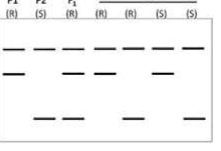
The following table summarizes the proposed percentage of the 4 different types (1 to 4) of DH progeny, assuming that the DNA marker is (i) unlinked to the gene governing the trait and (ii) linked at a distance of 10cM.
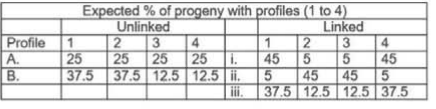
Which one of the following options correctly represents the expected ratio for unlinked and linked, respectively?
- 1A, ii
- 2A, i
- 3B, i
- 4A, iii
Show answer and solution
DH lines from an F1 carry single gametes. If marker and gene are unlinked, the four types are 25% each (A). At 10 cM, parental types make up 45% + 45% and recombinants 5% + 5%. Here profiles 2 and 3 are the parental combinations (ii).
Consider the following statements about thermoregulation in animals.
- A. It uses external environment to regulate internal body temperature
- B. It does not use external environment to regulate internal body temperature
- C. It can vary internal temperature considerably
- D. It can maintain thermal homeostasis in a narrow range of temperatures
Which one of the following options correctly describes a poikilothermic ectotherm?
- 1A and D
- 2B and C
- 3A and C
- 4B and D
Show answer and solution
A poikilothermic ectotherm takes its heat from the environment (A) and its body temperature varies widely (C).
Match the organisms in column A with their status in Column B.
| Column A | Column B | ||
|---|---|---|---|
| A. | Kallimodon | X. | Fossil |
| B. | Tuatara | Y. | Living fossil |
| C. | Xiphosura | ||
| D. | Ankylosphenodon |
- 1A, C are X; B, D are Y
- 2A, D are X; B, C are Y
- 3B, C are X; A, D are Y
- 4A, B are X; C, D are Y
Show answer and solution
Kallimodon and Ankylosphenodon are extinct sphenodontian fossils. The tuatara and Xiphosura (horseshoe crabs) are living fossils.
Select the correct combination of species (column X) and the known cause of their population declines.
| Column X (Species) | Cause for declines | ||
|---|---|---|---|
| A) | Honey bee | i) | Methylmercury |
| B) | Gyps vulture | ii) | Synthetic oestrogen |
| C) | Shellfish | iii) | Diclofenac |
| D) | Minnow | iv) | Neonicotinoids |
- 1A – iii; B – iv; C – ii; D – i
- 2A – iv; B – iii; C – i; D – ii
- 3A – ii; B – i; C – iv; D – iii
- 4A – ii; B – iv; C – i; D – iii
Show answer and solution
Honey bee: neonicotinoids. Gyps vultures: diclofenac. Shellfish: methylmercury. Minnows: synthetic oestrogen, after the experimental lake study in Canada.
According to the APG-IV (Angiosperm phylogeny group-IV) which of the following groups of angiosperms first diverged from the common ancestor of the angiosperms?
- 1Nymphaeales
- 2Monocots
- 3Piperales
- 4Ranunculales
Show answer and solution
In APG IV the ANA grade branches first: Amborellales, then Nymphaeales, then Austrobaileyales. Of the options, Nymphaeales diverged earliest.
The table below enlists name of scientists and different areas of scientific contribution
| Scientists | Areas of scientific contribution | ||
|---|---|---|---|
| A | Alfred Wallace | i. | Sociobiology |
| B | Konrad Lorenz | ii. | Theory of evolution |
| C | Joseph Banks | iii. | Ethology |
| D | E.O. Wilson | iv. | Island biogeography |
| E | Robert MacArthur and E. O. Wilson | v | Botany |
Which one of the following options represents a correct match between the scientist and the area of his/her scientific contribution?
- 1A-iv; B-v; C-iii; D-ii; E-i
- 2A- v; B- i, C-ii; D-iv; E-iii
- 3A-iii; B-iv; C-i; D- v; E-ii
- 4A-ii; B-iii; C- v; D-i; E-iv
Show answer and solution
Wallace: theory of evolution. Lorenz: ethology. Banks: botany. Wilson: sociobiology. MacArthur and Wilson: island biogeography.
The table below lists the name of organisms and different aspects of nervous system.
| Organism | Nervous system | ||
|---|---|---|---|
| A. | Protozoan | (i) | Central and peripheral nervous system |
| B. | Jellyfish | (ii) | Two cephalic ganglia joined by a commisure |
| C. | Flatworms | (iii) | Diffuse nervous system with small ganglial centres |
| D. | Bony fish | (iv) | Stimulus- response coordination |
Which one of the following options represents a correct match between the two columns?
- 1A- (iii); B- (iv); C- (i); D- (ii)
- 2A- (iv); B- (iii); C- (ii); D- (i)
- 3A- (iii); B- (i); C- (iv); D- (ii)
- 4A- (iv); B- (ii); C- (iii); D- (i)
Show answer and solution
Protozoa show only stimulus–response coordination. Jellyfish have a diffuse nerve net. Flatworms have two cephalic ganglia joined by a commissure. Bony fish have a CNS and PNS.
The microclimate at the ground level is very important to plant life. Each curve (A-D) in the diagram below shows the temperature profiles collected above and below the bare ground (non-vegetated) shown with respect to the distance from the ground level (at different times over a 24-hour period).
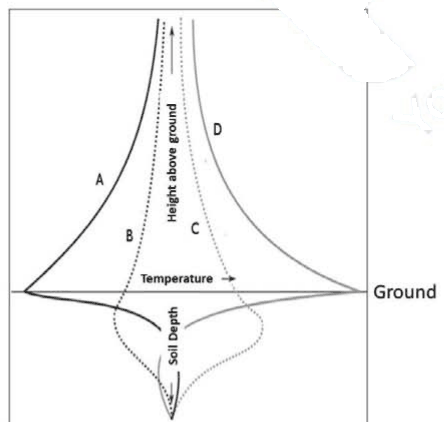
Consider the following four different time points within a diel period (i-iv). i. Immediately after sunrise ii. Noon iii. Immediately before sunset iv. Midnight. Match the temperature profiles with the correct diel period.
- 1A-i; B-iv; C-iii; D-ii
- 2A-iv; B-i; C-iii; D-ii
- 3A-i; B-iv; C-ii; D-iii
- 4A-iv; B-i; C-ii; D-iii
Show answer and solution
At midnight the ground radiates heat and is coldest at the surface (A). Just after sunrise the ground has barely warmed (B). Just before sunset the soil holds heat but the air is cooling (C). At noon the surface is hottest (D).
The largest reservoir of nitrogen in the global nitrogen cycle is the atmosphere. Options A-D below represent important pathways in the removal of nitrogen from the atmosphere at different rates.
- A. Biological fixation in oceans
- B. Fixation by lightning
- C. Biological fixation in natural terrestrial systems
- D. Industrial nitrogen fixation
Arrange the above pathways from the lowest to the highest rate.
- 1D < B < A < C
- 2B < D < C < A
- 3B < C < D < A
- 4A < B < D < C
Show answer and solution
Annual N2 fixation, in rising order: lightning (~5 Tg) < industrial (Haber–Bosch) < natural terrestrial biological fixation < ocean biological fixation (largest), per NTA’s key.
Fragmentation breaks up contiguous tracts of natural habitats into smaller patches. In a fragmented landscape where a previously large forest has become a mosaic of patches of different sizes, the following statements can be made about the fragment size and its species diversity.
- A. Smaller fragments will always have lower species richness than larger fragments
- B. Species richness will depend on fragment size.
- C. Species richness will depend on physical connectivity between fragments
- D. Species richness cannot be compared between large and small fragments
Select the option where both the statements are correct
- 1A and B
- 2B and C
- 3A and C
- 4B and D
Show answer and solution
NTA dropped this question. Species richness in fragments depends on size and connectivity, but statements such as “always lower” are too absolute, and no single pair was clearly correct.
In a high-altitude meadow region, it was observed that over the last five years 20 forb species flowered 2-3 weeks earlier than their long-term average time of flowering. At the same time, their fruit production has fallen. The following statements were proposed as reasonable explanations for why this is happening:
- A. The forbs are responding to a warming climate but pollinators are not available at the same time
- B. Early flowering has increased competition for pollinators
- C. Flowering and fruiting success are unrelated phenomena in forbs
- D. Animals that eat fruits are not available at the right time so fruiting has stopped
Which one of the following options represents statements with correct reasonable explanations?
- 1A and C
- 2C and D
- 3A and B
- 4B and D
Show answer and solution
Warming moved flowering earlier, but pollinators did not follow (a phenological mismatch) (A). Early flowering crowds many species into the time pollinators are about, increasing competition for them (B). Both lower fruit set.
Consider predators with a choice between two prey types: a big prey 1 which has energy value E1, handling time h1, and search time S1 and; a small prey 2 with energy value E2, handling time h2, and search time S2. According to the optimal foraging (diet) theory, when will the predator preferentially select prey 2?
- 1When E2/h2 > E1/(h1+S1)
- 2When the abundance of prey 1 is very high
- 3When the abundance of prey 1 and prey 2 are equal
- 4When E2/h2=E1/h1
Show answer and solution
Optimal diet theory: include prey 2 if its profitability E2/h2 beats the rate from hunting only prey 1, E1/(h1 + S1).
Which of the following is NOT the function of dispersal behaviour in which organisms move away from their natal homes?
- 1Tracking resource availability
- 2Providing mating opportunities
- 3Preventing species extinction
- 4Avoiding pathogens
Show answer and solution
Dispersal helps an individual find resources and mates and avoid pathogens and inbreeding. Preventing species extinction is not its function, although it can be a side effect.
Colour blindness affects approximately 1 in 12 men (8%). In a population that is in Hardy-Weinberg Equilibrium (HWE) where 8% of men are colour-blind due to a sex-linked recessive gene. What proportion of women are expected to be carriers?
- 10.92
- 20.85
- 30.78
- 40.15
Show answer and solution
In males, q = 0.08, so p = 0.92. Female carriers = 2pq = 2 × 0.92 × 0.08 ≈ 0.15.
Which of the following pairs of traits is most likely in a species when maternal investment is very high?
- 1Multiple reproductive events and high maternal mortality
- 2Slow developmental rates and low maternal fecundity
- 3Few reproductive events and low maternal fecundity
- 4Few reproductive events and high maternal mortality
Show answer and solution
High investment per offspring means few reproductive events and low fecundity (K-selection).
A researcher studying a cricket species finds that individuals on either side of a large river have different call frequencies on average. The following statements were made:
- A. The different call frequencies may signal incipient speciation
- B. The change in call frequency can lead to allopatric speciation
- C. Individuals of one population transplanted to the other population (across the river) may have lower chance of finding mates than residents
- D. Call frequencies have changed from ultrasound to infrasound across the river
If the call helps attract mates which of the above statements are correct?
- 1A, B and C
- 2A, C and D
- 3B, C and D
- 4A, B and D
Show answer and solution
The call is a mate signal, so diverging calls on separate banks suggest incipient allopatric speciation (A, B). Migrants with the “wrong” call would attract fewer mates (C). Nothing suggests a jump from ultrasound to infrasound (D).
Biased gene conversion (BGC) has been proposed to cause changes in allele frequencies in a population. Select the statement that is NOT correct about BGC.
- 1BGC is present in bacteria and eukaryotes suggesting it may be present in the Last Universal Common Ancestor (LUCA).
- 2BGC can favor the fixation of deleterious donor alleles.
- 3BGC is an example of nonadaptive evolutionary process.
- 4BGC selects against maladaptations resulting in fixation of only advantages mutations.
Show answer and solution
GC-biased gene conversion is non-adaptive. It can fix harmful GC alleles, so it does not select only advantageous mutations, and statement 4 is wrong.
The following statements were made describing the properties of a UPGMA tree (Unweighted Pair Group Method with Arithmetic Mean):
- A. It describes species relationships and is therefore the best method to describe a new species.
- B. It is a method of hierarchical clustering.
- C. The raw data is a similarity matrix and the initial tree is rooted.
- D. It permits lineages with largely different branch lengths and corrections for multiple substitutions.
Which one of the following options represents the correct properties?
- 1A and B
- 2B and C
- 3A and D
- 4C and D
Show answer and solution
UPGMA is hierarchical clustering (B). It starts from a distance or similarity matrix and gives a rooted tree (C). It assumes a molecular clock, with equal rates, so it cannot handle very unequal branch lengths (D false).
When species express a suite of correlated traits (e.g., behavior, morphology, function), within a given context or across contexts, it is referred to as
- 1A syndrome
- 2Trait flexibility
- 3Plasticity
- 4Character displacement
Show answer and solution
A set of correlated traits expressed together across contexts is a behavioural (or trait) syndrome.
Select the option that represents the correct combination of non-parametric tests and its equivalent parametric test respectively that can be used to compare two or more groups.
- 1Wilcoxon Rank Sum Test and Paired t-test
- 2Wilcoxon Rank Sum Test and Spearman correlation
- 3Spearman correlation and Kruskal Wallis test
- 4Mann-Whitney U test and Pearson correlation
Show answer and solution
NTA pairs the Wilcoxon test with the t-test for comparing groups. Strictly, the rank-sum (Mann–Whitney) test matches the independent t-test and the signed-rank test matches the paired t-test, so this solution follows NTA’s key.
A researcher raised antibodies against sheep red blood cells (SRBCs) and purified the IgG fraction. Some of the IgG antibodies were then subjected to enzymatic digestion to have Fab, Fc and F(ab′)2 fractions. He placed each preparation in a separate tube ( 1 to 3), labeled the three tubes to indicate their contents, and incubated them on ice. After a while he noticed that the label on two of the tubes (1 and 2) had gotten erased. He did a test for tube 1 and found that the preparation in the tube agglutinated SRBCs but did not lyse them in presence of complement. Which preparation was in tube 1?
- 1Fab
- 2Fc
- 3F(ab′)2
- 4IgG
Show answer and solution
Agglutination needs a bivalent fragment, and complement needs Fc. F(ab′)2 has two binding sites but no Fc. Fab is monovalent and whole IgG would also fix complement.
In a forward genetic screen to investigate the heat stress response in Arabidopsis, a team of researchers identified an uncharacterized gene ‘x’ that shows some sequence homology to alpha-subunit of heterotrimeric G-protein. Since a typical alpha-subunit of heterotrimeric G-protein localizes at the membrane in a eukaryotic cell, researchers sought to validate whether the protein coded by gene ‘x’ localizes to membrane in tobacco protoplasts. To achieve this, they cloned the gene in fusion with GFP at its N-terminus, under the control of the CaMV promoter; however, upon expression of this GFP-gene ‘x’ fusion construct, they did not observe any membrane localization of GFP-signal in tobacco protoplasts. Based on this, they made a few assumptions:
- A. N-terminally tagging of protein ‘X’ with GFP may block membrane localization of protein X
- B. Tagging of protein ‘X’ with GFP may alter the conformation of protein X because of its bigger size
- C. Tobacco protoplasts are a heterologous system for the expression of gene ‘x,’ and thus, the protein X does not localize to the membrane
- D. Gene ‘x’ is not getting transcribed because of the wrong promoter choice
Which one of the following options represents all correct assumptions?
- 1A and B only
- 2B and D only
- 3C and D only
- 4A, B and C
Show answer and solution
An N-terminal GFP can mask N-terminal lipidation or targeting signals (A). GFP (27 kDa) can distort folding (B). A heterologous system may lack partners or modifications (C). The CaMV 35S promoter works in tobacco, so D is unlikely.
Given below is a figure representing expression levels of transgenic protein in ten independent transgenic plants generated using the same transformation vector by Agrobacterium-mediated transformation.
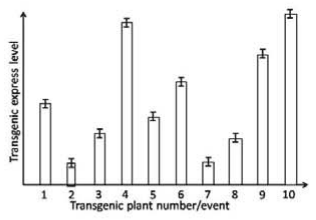
Given below are a few statements to explain the above data:
- A. Plant nos. 4, 9 and 10 that show high expression levels of the transgene would necessarily contain multiple copies of the transgene.
- B. Plant nos. 2 and 7 contain mutations in the coding sequence of the transgene in the construct.
- C. The transgenic plants may contain varying number of transgene copies inserted at different locations in the host genome.
- D. The host genome has no role in influencing expression levels of the transgene.
- E. The stability of the transgenic mRNA and its translatability would not be different among the independent transgenic plants.
Which one of the following options represents all correct statements?
- 1A and D only
- 2B and C only
- 3C and E only
- 4A, D and E only
Show answer and solution
Independent events differ in copy number and insertion site (position effects) (C). NTA also counts E. High expression does not require multiple copies, the construct is identical in every line, and the host genome clearly matters.
In recent decades, the use of genetic markers has allowed the rapid introgression and selection of desired breeding stocks in advance generations. In this regard, following statements are given:
- A. AFLP markers can discriminate between homozygote and heterozygote genotypes.
- B. Microsatellites (eg. SSR) are capable of detecting higher level of polymorphism than RFLP.
- C. SNPs are more prevalent in the coding regions of the genome.
- D. SNP markers are the most suitable markers for both foreground and background selection.
Which one of the following combination of the above statements is correct?
- 1A, B and C
- 2A, B and D
- 3B and C only
- 4B and D only
Show answer and solution
SSRs are multi-allelic and more polymorphic than RFLPs (B). Abundant, high-throughput SNPs suit both foreground and background selection (D). AFLPs are dominant (A false), and SNPs are more common in non-coding DNA (C false).
To investigate the relationship between microtubules and centrioles in fixed HeLa cells using an epifluorescence microscope, a researcher plans to conduct immunostaining using antibodies against tubulin and centrin (centriolar protein). After the incubation with the primary antibodies and wash, she/he plans to use secondary antibodies that bind to the primary antibodies. Below is a list of secondary antibodies carrying various fluorophores (dyes) available to the researcher.
- A. Alexa 568
- B. FITC
- C. Alexa 488
- D. Alexa 647
Select the correct combinations of the appropriate dyes that the researcher would typically utilize to observe co-localization in an epifluorescence microscope?
- 1A and C
- 2B and C
- 3A and D
- 4C and D
Show answer and solution
For two colours by eye or camera in epifluorescence, pick well-separated, visible dyes: Alexa 488 (green) and Alexa 568 (orange-red). FITC overlaps Alexa 488, and Alexa 647 is far-red, hard to see by eye.
| x | y |
|---|---|
| 0 | 2 |
| 2 | 8 |
| 4 | 14 |
| 6 | 20 |
| 8 | 26 |
| 10 | 32 |
| 12 | 38 |
| 14 | 44 |
Find the linear regression equation for the following data pairs (x, y) given in the above table
- 1y = 4x + 0
- 2y = 3x + 2
- 3y = 6x + 2
- 4y = 0.33 + 2
Show answer and solution
y rises by 6 for every 2 in x, so the slope is 3, and y = 2 at x = 0. So y = 3x + 2.
The Green Fluorescent Protein (GFP) from the deep-sea jellyfish Aequorea victoria has excitation peaks at 395 nm and 475 nm. Its emission peak is at 509 nm, which is in the green portion of the visible spectrum. In the deep-sea habitat of this marine organism, what is the source of light for excitation of GFP?
- 1Blue-light emitted from the oxidation of the cofactor coelentrazine is energy transferred to GFP.
- 2Blue light emitted by aequorin present in A. victoria is absorbed by GFP
- 3Light emitted by other organisms in ocean seabed is absorbed by GFP in jellyfish
- 4Ocean currents provide electrical energy that is converted to light
Show answer and solution
In Aequorea, Ca2+ triggers aequorin (with bound coelenterazine) to emit blue light at ~470 nm. GFP absorbs it and re-emits green.
For the template sequence given below, which one of the following combination of primers can hypothetically be used to amplify the target region (Ignore Tm & length parameters for the primers)? 5′- A T C G A C T A G NNNNNNNNNNNNNNNNN C C T A A T G C A G – 3′
- 1Primer 1: 5′-T A G C T G-3′; Primer 2: 5′-G A C G T A-3′
- 2Primer 1: 5′-C T G C A T-3′; Primer 2: 5′-A T C G A C-3′
- 3Primer 1: 5′-A T C G A C-3′; Primer 2: 5′-G A C G T A-3′
- 4Primer 1: 5′-T A G C T G-3′; Primer 2: 5′-C T G C A T-3′
Show answer and solution
The forward primer matches the 5′ end of the top strand: 5′-ATCGAC-3′. The reverse primer is the reverse complement of the 3′ end (ATGCAG): 5′-CTGCAT-3′.
Which one of the following combinations of enzymes used for cloning a linear insert fragment into a digested plasmid vector would have the least probability of generating self-ligated vectors in a cloning experiment following complete digestion of all vector molecules and no further enzymatic treatment of the vector?
- 1Insert: Sma I (CCC↓GGG); Vector: Sma I (CCC↓GGG)
- 2Insert: Sma I (CCC↓GGG) – Hinc II (GTY↓RAC); Vector: Sma I (CCC↓GGG)
- 3Insert: Hind III (A↓AGCTT) – Xho I (C↓TCGAG); Vector: Hind III (A↓AGCTT) – Xho I (C↓TCGAG)
- 4Insert: EcoR I (G↓AATTC); Vector: EcoR I (G↓AATTC)
Show answer and solution
Cutting the vector with HindIII + XhoI leaves two incompatible ends that cannot join each other, so the vector cannot self-ligate. This is directional cloning. Single-enzyme vectors re-close easily.
Changes in NTA’s final answer key
Dropped: Q29, Q126 (marks given to everyone). Every other question has the single answer shown.
How to revise from this paper
- Attempt it in one 3-hour sittingAnswer 15 in Part A, 35 in Part B and 25 in Part C, as in the real exam, before you check any answers.
- Score it with negative markingAdd 2 or 4 marks for each correct answer and subtract 0.5 or 1 for each wrong one. That is the number to track.
- Sort your mistakes by unitUse the unit tag on each question. Two or three wrong answers in the same unit tell you where to revise first.
- Repeat with a fresh paperTake a full-length mock a week later and compare your unit-wise mistakes.
Keep going
<
p class=”lbq-src”>Source: question paper of the Joint CSIR-UGC NET June 2021 cycle, Life Sciences Shift 2 held on 17 February 2022 (subject code 703); answers from the National Testing Agency’s final answer keys for that cycle, which list the correct option ID for each question. Question text is reproduced for practice; any transcription error is ours, and NTA’s documents are the authority.